Energy & Resources Unlocked
Alaska’s resources. Alaska’s future.
50% to 70%
Alaska’s share of federal lease-sale and royalty revenue. Up from 50%, the highest in the country.
At statehood, Alaska was promised an outsized share of federal lease royalties. This 90/10 split put into the statehood contract was a promise made to Alaskans that has never been delivered on. In 2025 Congressman Begich prioritized this and was able to take a huge step forward, securing an additional 20% for the state of Alaska. That means more money for schools, public safety, roads, and the infrastructure that keeps rural communities connected. When Alaska keeps more of its own resource revenue, that money stays here, building the state instead of funding someone else's priorities.
Begich’s office states 2035; independent coverage of the bill’s passage stated 2034.

LEASE SALE RESULTS
Mandatory Lease Sales
The 2025 law sets new minimum lease-sale requirements across Alaska to 30 million acres of minimum lease sales. This isn’t a projection. It’s already happened, and it’s the clearest evidence yet that mandating lease sales works.
Lease Sales in Action
The 2025 reconciliation bill mandates roughly 30 million acres of minimum lease sales across ANWR, the National Petroleum Reserve–Alaska, and Cook Inlet. Four new lease sales in the ANWR 1002 Area and five biennial sales in NPR-A over the next decade, each required to offer no fewer than 4 million acres. Estimated to generate $18.5 billion in federal revenue and savings.
H.R. 1, “One Big Beautiful Bill”, Working Families Tax Cuts Act, signed July 4, 2025
Proof It’s Working
The first NPR-A lease sale under the new law, held March 18, 2026, offered more than 600 tracts across roughly 5.5 million acres. Results dwarfed the 2019 sale: over 400 bids covering more than 130,000 acres, generating approximately $163 million in total high bids, versus about $11.3 million total from the entire 2019 sale, which drew no competitive bidding on any tract. Major bidders included ConocoPhillips, Exxon, Shell, and several new entrants to Alaska.
BLM lease sale results, March 18, 2026
Regulatory Streamlining Is Moving More Oil
Restoring access and cutting red tape isn't just policy on paper. As barriers come down, from restoring the ANWR Coastal Plain access plan, to repealing the Central Yukon Resource Management Plan, to passing the SPEED Act out of the House, Alaska is going to see more oil move through the Trans-Alaska Pipeline System. More than ever before have Alaskans been able to self-determine how we access and put to use our abundant natural resources. Alaska is proving that when Washington gets out of the way, our resource economy responds.
A Bigger Share, For the First Time
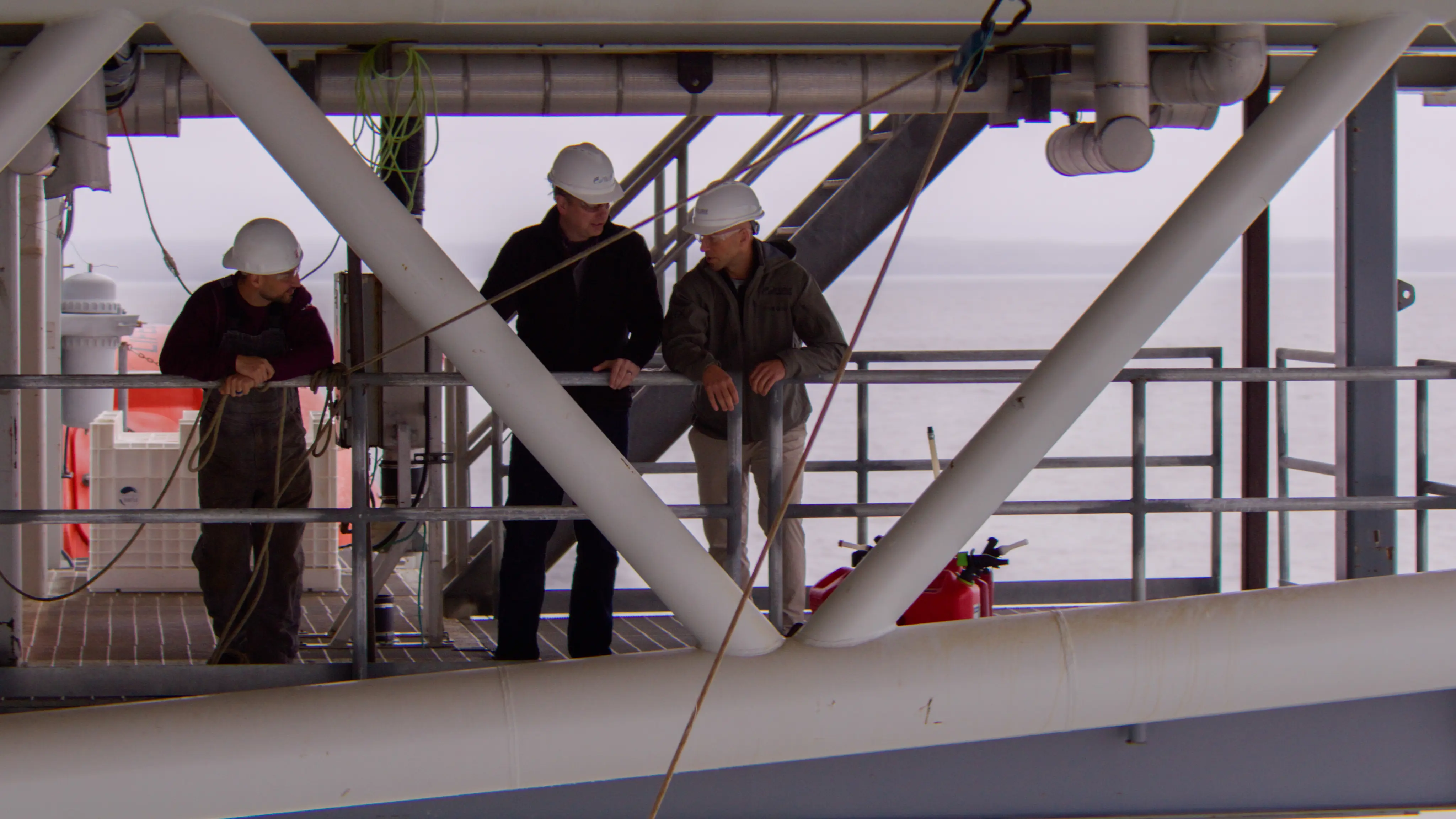
Alaska’s share of federal lease and production-royalty revenue rises from 50% to 70%, the highest revenue share of any state. As Begich has put it:
“For the first time, Alaska will receive 70% of revenues from these sales and product royalties... ensuring our communities benefit more than they ever have before.”
Restoring Access
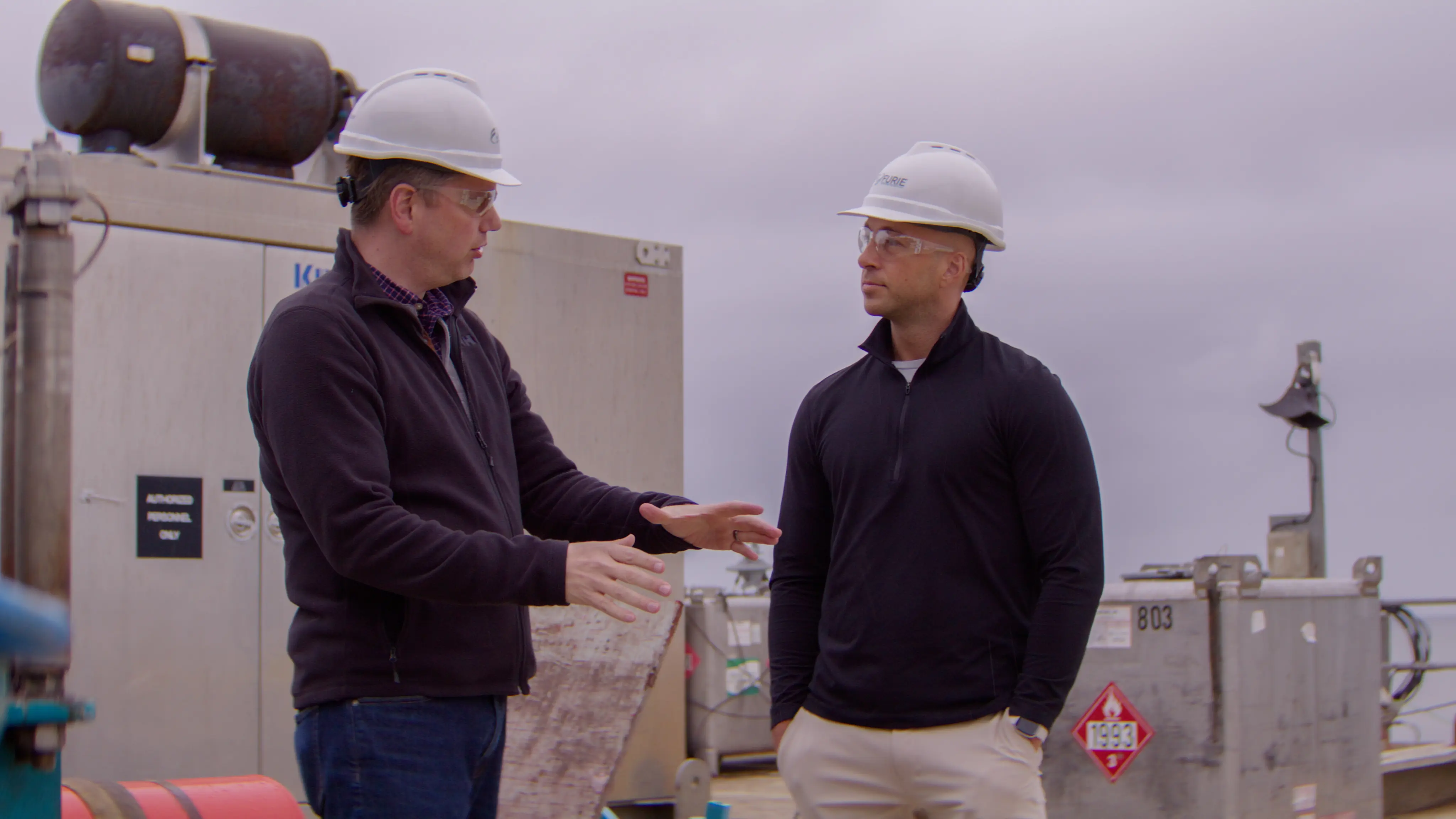
Begich led two Congressional Review Act resolutions, both signed into law December 11, 2025, restoring the 2020 ANWR Coastal Plain access plan (unlocking an estimated 7.7 billion barrels of oil across 1.16 million acres) and repealing the Central Yukon Resource Management Plan, reopening more than 13 million acres of Alaska’s Interior to multiple use.

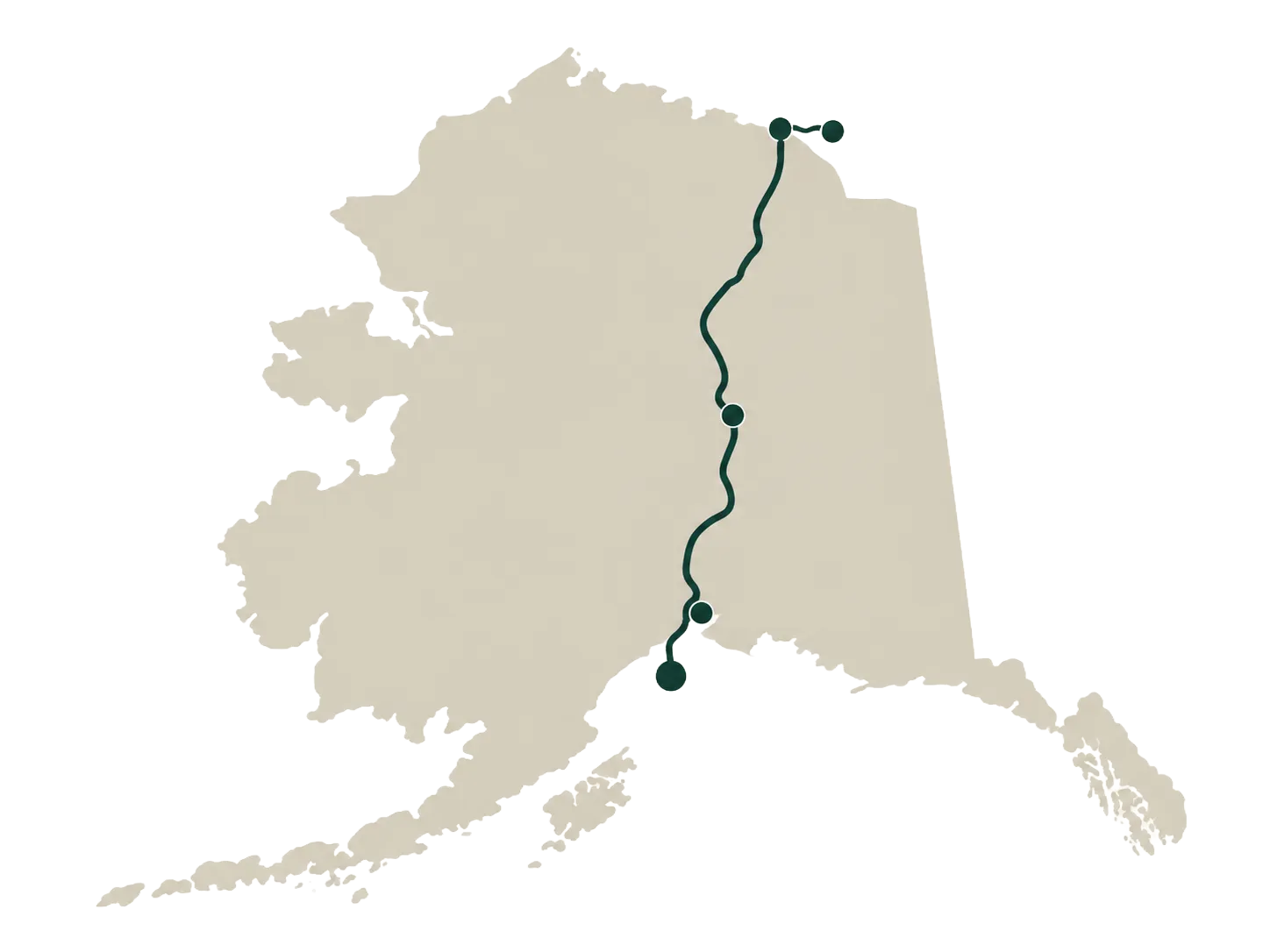
Alaska LNG
The Path to Alaska LNG
No single project matters more to Alaska's long-term energy future than the Alaska LNG pipeline. Begich has used his platform, including his annual addresses to the State Legislature, to press for support and regulatory clarity the project needs to move forward.
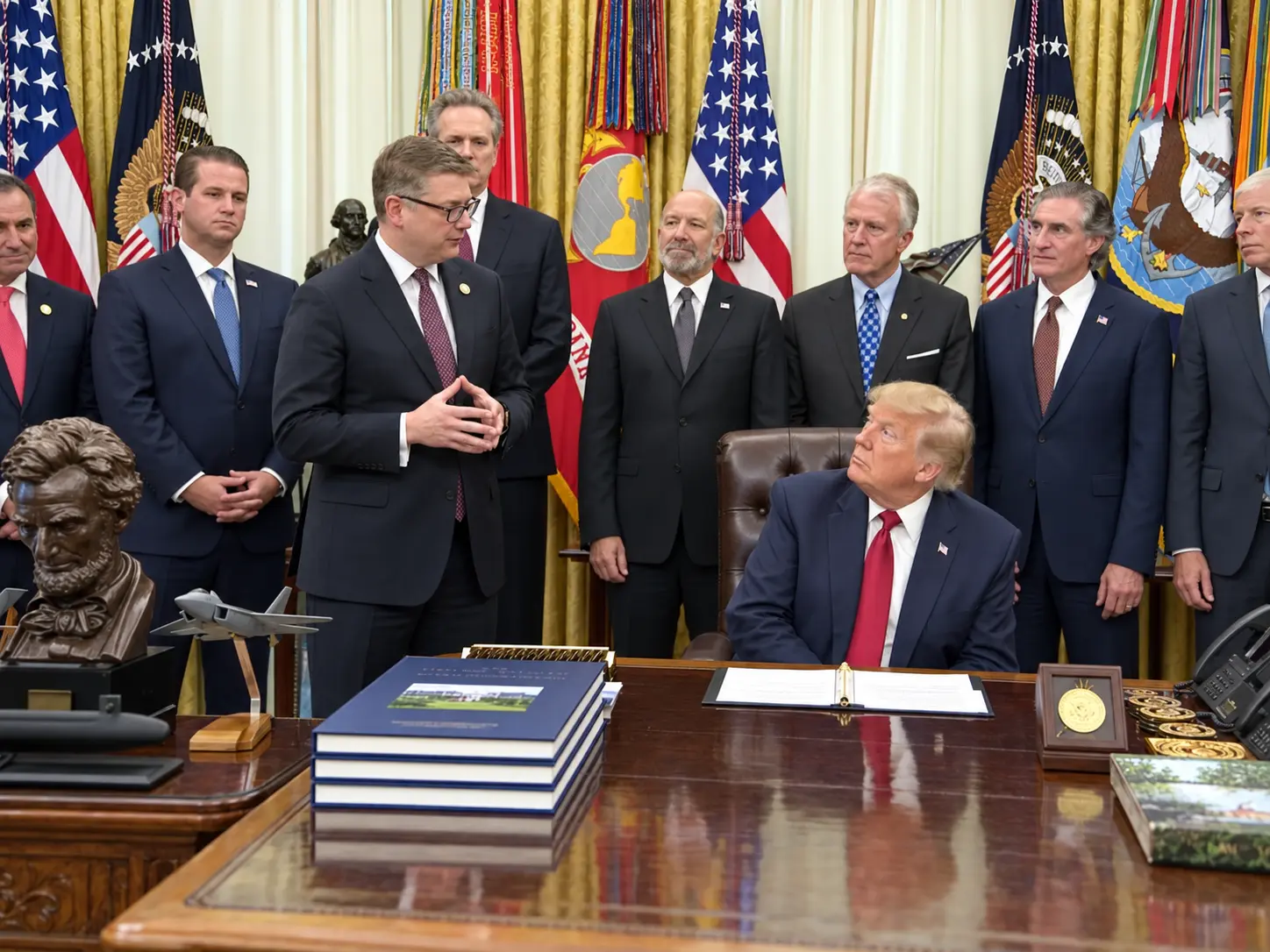
After his address to the Alaska State House and Senate in 2026, the Legislature were unable to come to a workable agreement, effectively killing any near-term hope for the pipeline to be approved. In response, Begich began organizing talks with the appropriate federal administrative offices, private sector partners, and the White House. These fruitful conversations and negotiations began gaining traction, when in September of 2026, Begich joined the President, members of his cabinet and industry leaders announcing the historic $54 Billion investment from South Korea to fund all phases of the Alaska LNG pipeline.
Alaska has the resources.
Now, for the first time in a generation, Alaska has the law, the revenue share, and the results to match.